
วิธีการระบุเกียร์หุ่นยนต์ ABB ที่สึกหรอ ก่อนที่จะเสียหาย
เราเคยเห็นเหตุการณ์นี้เกิดขึ้นบ่อยครั้งเกินไปในภาคสนามตลอดหลายปีที่ผ่านมา หุ่นยนต์ ABB บนสายการผลิตทำงานได้ดีมาโดยตลอด แต่แล้ววันหนึ่งก็เกิดความผิดปกติขึ้นอย่างกะทันหัน รอยเชื่อมเริ่มเบี่ยงเบนจากตำแหน่งที่ควรเป็น เส้นทางการเคลื่อนที่เริ่มคลาดเคลื่อน ลำดับการเคลื่อนไหวของหุ่นยนต์เริ่มผิดเพี้ยนทีละขั้นตอน จนในที่สุดความรุนแรงของปัญหาถึงขั้นทำให้ระบบแจ้งเตือนและหยุดการทำงานทันที ส่งผลให้ทั้งสายการผลิตต้องหยุดชะงักลงทันที ทุกคนต่างรีบเร่งแก้ไขปัญหา ทั้งตรวจสอบโปรแกรม ตรวจสอบเอนโค้เดอร์ ตรวจสอบอุปกรณ์จับยึดชิ้นงาน และสุดท้ายต้องถอดชิ้นส่วนออกทั้งหมด เพียงเพื่อพบว่ากล่องเกียร์นั้นเสียหายมานานแล้ว แต่ก่อนหน้านี้ไม่มีใครสังเกตเห็นสัญญาณเล็กๆ เหล่านั้น
โดยเฉพาะหุ่นยนต์ที่ใช้ในงานเชื่อม การจัดการวัตถุ การโหลดและปลดโหลด รวมถึงงานขึ้นรูปด้วยแม่พิมพ์ ซึ่งต้องรับภาระหนักอย่างต่อเนื่องเป็นเวลานาน กล่องเกียร์มักจะไม่ล้มเหลวแบบกะทันหันโดยไม่มีสัญญาณเตือนล่วงหน้าแต่อย่างใด แท้จริงแล้ว มันจะส่งสัญญาณเตือนคุณล่วงหน้าเป็นเวลานานผ่าน ‘คำทักทาย’ บางอย่าง แต่ในหลายโรงงานกลับมีแนวโน้มที่จะมองข้ามสัญญาณเหล่านั้น โดยคิดว่า ‘เครื่องเก่าก็เป็นแบบนี้แหละ’ แล้วปล่อยผ่านไป 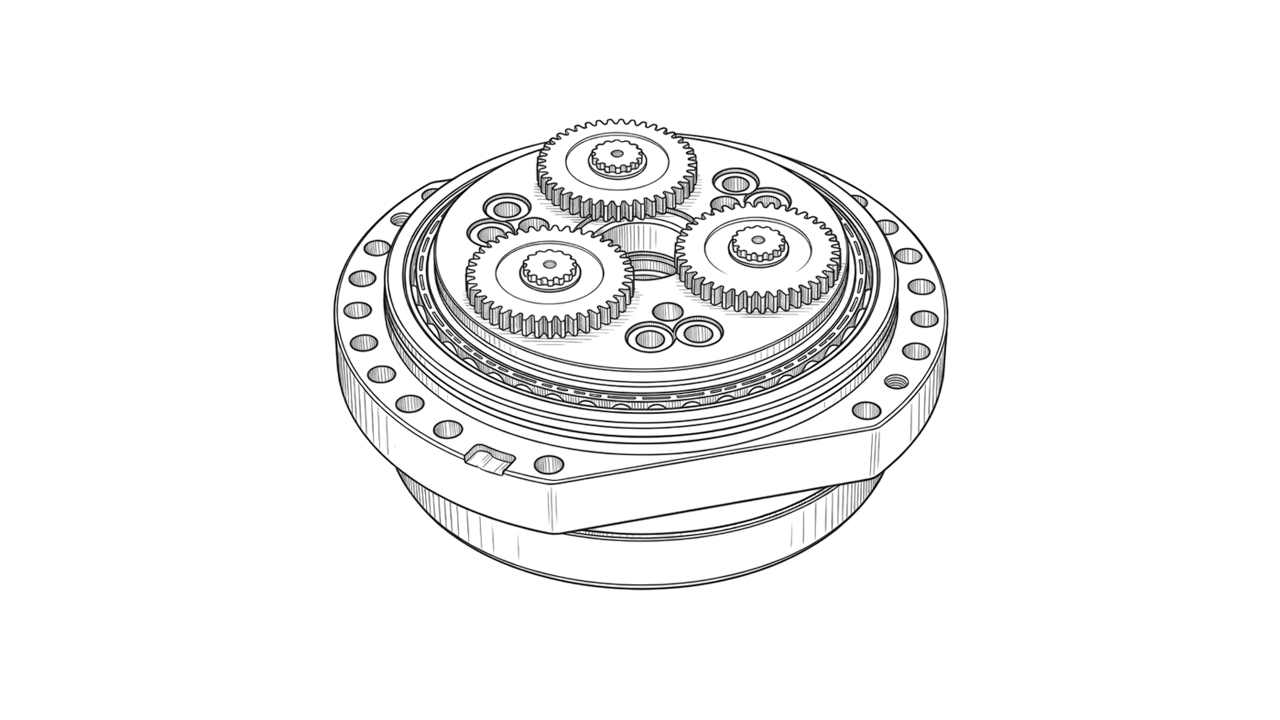
ครั้งแรกที่หลายคนสังเกตเห็นปัญหาคือเมื่อหุ่นยนต์ “ไม่แม่นยำเท่าที่เคยเป็นมา”
นั่นคือสัญญาณเริ่มต้นที่พบบ่อยที่สุดจริงๆ ที่น่าสนใจคือ วิศวกรภาคสนามแทบไม่เคยนึกถึงเกียร์บ็อกซ์เป็นสิ่งแรกเลย ลำดับการวินิจฉัยปัญหาของพวกเขาโดยทั่วไปมักเป็นดังนี้: ข้อสงสัยแรกคือ TCP อาจไม่ได้รับการปรับค่าเบี่ยงเบน (bias) อย่างเหมาะสม หรือมีผู้ใดกดปุ่มควบคุมหัวเชื่อม (gun) ผิดพลาด; จากนั้นจึงตรวจสอบโปรแกรมเพื่อดูว่าจุดตำแหน่ง (points) ถูกต้องหรือไม่; ต่อมาจึงตรวจสอบเอนโคเดอร์เพื่อดูว่ามีการสูญเสียสัญญาณพัลส์หรือไม่; และแม้แต่สงสัยว่าพารามิเตอร์เซอร์โวอาจเปลี่ยนแปลงค่าไป หรืออุปกรณ์ยึดชิ้นงาน (fixtures) อาจหลวม ขั้นตอนการตรวจสอบทั้งหมดนี้ถือว่าเป็นเรื่องปกติมาก จนกระทั่งในที่สุดจึงใช้มิเตอร์วัดและพบว่าความคล่องตัวแบบย้อนกลับ (backlash) ของแกนหนึ่งแกนใดแกนหนึ่งมีค่าสูงกว่าปกติอย่างชัดเจน ปรากฏการณ์นี้สังเกตเห็นได้ง่ายเป็นพิเศษในหุ่นยนต์เชื่อม โดยปกติรอยต่อ (seam) จะเคลื่อนที่เรียบเนียนมาก แต่ปัจจุบันเริ่มปรากฏอาการอาร์กไม่คงที่ แนวเส้นทางของอาร์กไม่สม่ำเสมอ และเมื่อรันโปรแกรมเดียวกันซ้ำๆ กันทุกครั้ง แนวเส้นทางการเคลื่อนที่จะมีการเบี่ยงเบนเล็กน้อยทุกครั้ง บางครั้งลูกค้าอาจคิดว่าระบบวิชั่น (vision system) มีปัญหา แต่แท้จริงแล้วสาเหตุเกิดจากการสึกหรอของช่องว่างภายในเกียร์บ็อกซ์ ทำให้การถ่ายทอดการเคลื่อนไหวไม่สอดคล้องกับคำสั่งจากแขนหุ่นยนต์
การสึกหรอของเกียร์บ็อกซ์หุ่นยนต์ ABB จะทำให้เกิด 'การเลื่อนกลับ' มากขึ้นเรื่อยๆ
ทุกคนที่มีส่วนเกี่ยวข้องกับการบำรุงรักษาจะคุ้นเคยกับคำว่า “แบคลาช” (Backlash) ซึ่งหมายถึงช่องว่างที่เกิดขึ้นระหว่างรอยต่อ ด้านมอเตอร์หมุนอย่างชัดเจน แต่ด้านกลไกจำเป็นต้องรอระยะการเคลื่อนที่ว่างเปล่าเล็กน้อยก่อนที่จะเริ่มเคลื่อนที่จริง รอยต่อของหุ่นยนต์รุ่นใหม่มีความแน่นมาก แต่เมื่อเกียร์แบบดาวเคราะห์ (planetary gears) และตลับลูกปืนภายในกล่องเกียร์สึกหรอเป็นเวลานาน ช่องว่างระหว่างฟันเฟืองจะกว้างขึ้น ตลับลูกปืนก็จะหลวมขึ้น และความแม่นยำของการเข้าฟันเฟืองลดลง ส่งผลให้หุ่นยนต์เริ่มแสดงอาการผิดพลาดในการจัดตำแหน่งซ้ำๆ แนวเส้นทางการเคลื่อนที่เบี่ยงเบน (trajectory drift) และเกิดการสั่นเล็กน้อยขณะเร่งหรือชะลอความเร็ว สิ่งที่น่ากังวลที่สุดคือ สถานะดังกล่าวในช่วงแรกไม่รุนแรงมากนัก หลายคนจึงยังสามารถใช้งานต่อไปได้อีกหลายเดือน แต่เมื่อแกนใดแกนหนึ่งสึกหรอเกินเกณฑ์ที่กำหนดแล้ว การเสื่อมสภาพจะเกิดขึ้นอย่างรวดเร็ว — อาจเริ่มจากสองสัปดาห์แรกที่ผิดเพี้ยนเพียงเล็กน้อย แล้วจากนั้นก็เกิดเหตุการณ์ชนกันหรือโหลดเกิน (overload) ขึ้นอย่างกะทันหัน
ข้อต่อของหุ่นยนต์เริ่มสั่นหรือเกิดเสียงดังคล้ายการสั่นสะเทือน (rattle) ซึ่งแท้จริงแล้วอันตรายมากแล้ว!
เมื่อหุ่นยนต์ทำงานตามปกติ เสียงที่เกิดขึ้นจะสม่ำเสมออย่างมาก คือเสียงมอเตอร์แบบหวีด (whirring) ผสมผสานกับเสียงกลไกที่เรียบเนียนมาก อย่างไรก็ตาม เมื่อเกียร์บ็อกซ์เริ่มมีปัญหา เสียงจะเปลี่ยนแปลงทันที โดยจะมีเสียงเสียดสีของโลหะแบบซี๊ด (hissing) หรือเสียงคลิกๆๆๆ รวมทั้งอาจได้ยินเสียงต่ำขณะเร่งหรือลดความเร็ว และหากสัมผัสข้อต่อด้วยมือ จะรู้สึกได้ถึงการกระทบกระแทกภายในอย่างชัดเจน ผู้ปฏิบัติงานที่มีประสบการณ์จำนวนมากบนสายการผลิตมักพูดว่า “ช่วงนี้หุ่นยนต์ตัวนี้ฟังดูไม่ปกติเลย” เมื่อคุณได้ยินคำพูดลักษณะนี้ อย่ารอช้า เพราะในเวลานี้มีโอกาสสูงมากที่ฟันเฟืองจะถูกขีดข่วน โครงกรอบแบริ่งเสียหาย หรือจาระบีเสื่อมสภาพจนทำให้โลหะสัมผัสกับโลหะโดยตรง หากยังคงใช้งานต่อไป รอยสึกหรอเล็กน้อยจะพัฒนาเป็นการกัดกันอย่างรุนแรงระหว่างฟันเฟือง และเมื่อฟันเฟืองถูกกัดแล้ว ตัวลดรอบ (reducer) ทั้งตัวก็จะใช้งานไม่ได้เกือบทั้งหมด
พูดถึงเรื่องนี้ ทางเราได้พบปัญหาเกี่ยวกับกล่องเกียร์บ่อยครั้งในห้องปฏิบัติการจริง ๆ แล้ว รากเหง้าของปัญหานี้อยู่ที่ระบบหล่อลื่น โรงงานหลายแห่งใช้งานหุ่นยนต์ทุกวัน โดยการหล่อลื่นและการบำรุงรักษาทำอย่างไม่เคร่งครัด โดยเฉพาะในสายการผลิตแบบเก่าบางแห่ง รอบการเติมจาระบีนั้นนานมาแล้วที่ไม่ได้คำนึงถึงการเสื่อมสภาพของซีลยาง ไม่มีใครใส่ใจสังเกตว่าข้อต่อต่าง ๆ มีน้ำมันรั่วซึมออกมาหรือไม่ แม้จะเห็นรอยรั่วบนผ้าเช็ดก็ยังคงเปิดเครื่องทำงานต่อไปตามปกติ ส่งผลให้จาระบีผสมเข้ากับไอน้ำ ฝุ่น หรือผงโลหะ และยังคงถูกใช้งานต่อไปตามเดิม เมื่อเวลาผ่านไปนาน ๆ สภาพการหล่อลื่นก็แย่ลงเรื่อย ๆ ทำให้แรงเสียดทานภายในเพิ่มสูงขึ้นทันที อุณหภูมิก็สูงตามไปด้วย ฟิล์มน้ำมันบนผิวฟันเฟืองจึงไม่สามารถคงอยู่ได้ จนเริ่มเกิดการสึกหรอผิดปกติ ตัวลดความเร็ว ABB นั้นมีความแม่นยำสูงมาก ช่องว่างระหว่างฟันเฟืองที่สัมผัสกันและแบริ่งจึงมีค่าเล็กมากอย่างยิ่ง จึงต้องการคุณภาพการหล่อลื่นที่สูงมากจริง ๆ หากจาระบีเกิดเจือจาง แห้ง หรือปนเปื้อน ความเร็วในการสึกหรอก็จะเพิ่มขึ้นแบบทวีคูณ บางครั้งกล่องเกียร์ร้อนจัดจนสัมผัสได้ด้วยมือ ซึ่งมักเป็นสัญญาณบ่งชี้ว่าระบบหล่อลื่นล้มเหลวอย่างสมบูรณ์ และน้ำมันนั้นไม่สามารถทำหน้าที่ปกป้องได้มานานแล้ว
สิ่งที่เกี่ยวกับอุณหภูมินั้นเป็นสัญญาณภาพที่ค่อนข้างชัดเจน
คุณสามารถลองสัมผัสอุณหภูมิข้อต่อของแต่ละแกนหลังจากที่หุ่นยนต์ทำงานไปสักพักแล้ว ในสภาวะปกติ อุณหภูมิจะเพิ่มขึ้นอย่างค่อนข้างคงที่ และข้อต่อหนึ่งจะไม่ร้อนขึ้นอย่างกะทันหันมากกว่าข้อต่ออื่น ๆ โดยเฉพาะอย่างยิ่งข้อต่อที่รับน้ำหนักมาก เช่น J2 และ J3 หากข้อต่อเหล่านี้ร้อนผิดปกติเป็นเวลานาน แสดงว่าอาจมีแรงเสียดทานภายในมากเกินไป การหล่อลื่นไม่เพียงพอ ตลับลูกปืนเสียหาย หรือใช้งานเกินกำลัง เกียร์บ็อกซ์หลายตัวทำงานโดยมี "อุณหภูมิสูง" อย่างเงียบ ๆ เป็นเวลานานก่อนที่จะเสียหายจริง ดังนั้นเราจึงเห็นโรงงานจำนวนมากขึ้นเรื่อย ๆ เริ่มใช้กล้องถ่ายภาพความร้อนตรวจสอบข้อต่อหุ่นยนต์ทั้งหมดเป็นประจำ วิธีนี้ได้ผลดีมาก สามารถมองเห็นปัญหาเกี่ยวกับอุณหภูมิได้ล่วงหน้า ไม่ต้องรอจนกว่าหุ่นยนต์จะเสีย
หุ่นยนต์ ABB เริ่มสั่น ซึ่งในหลายกรณี ปัญหากลับไม่ใช่เรื่องเล็กน้อยอีกต่อไป!
คุณอาจสังเกตเห็นว่าแขนทั้งข้างสั่นเล็กน้อยขณะเร่งความเร็ว และสั่นอีกหลายครั้งทันทีหลังจากหยุดเคลื่อนที่ ขณะทำงานที่ความเร็วสูง เส้นทางการเคลื่อนที่จะไม่กลมเรียบ แต่มีความรู้สึกหยาบเป็นคลื่นเล็กๆ หลายคนมักคิดว่าเป็นเพราะค่า gain ของเซอร์โวไม่ได้ปรับอย่างเหมาะสม แต่หากคุณยืนยันแล้วว่าเอนโคเดอร์ไม่มีปัญหา มอเตอร์ไม่มีปัญหา และพารามิเตอร์ต่างๆ ยังคงเหมือนเดิม ก็มีแนวโน้มสูงมากว่าปัญหานี้เกิดจากความแข็งแกร่งภายในของตัวลดความเร็ว (reducer) ไม่เพียงพอ ซึ่งเป็นกรณีที่พบได้บ่อยโดยเฉพาะในข้อต่อที่ใช้ RV gearbox โดยเมื่อเฟืองไซโคลอิดและตลับลูกปืนเริ่มสึกหรอ การสั่นจะค่อยๆ เพิ่มขึ้นอย่างชัดเจนตั้งแต่ไม่มีเลยจนถึงมีอย่างชัดเจน และยิ่งยากขึ้นเรื่อยๆ ที่จะซ่อนอาการนี้ไว้
นอกจากนี้ยังมีอีกหนึ่งปัญหาที่มักถูกมองข้ามได้ง่ายเป็นพิเศษ — คือการรั่วของน้ำมันหล่อลื่น
ฉันเคยเห็นโรงงานมาแล้วหลายแห่ง ทันทีที่พวกเขาสังเกตเห็นคราบน้ำมันรั่วเป็นวงกลมบริเวณข้อต่อของหุ่นยนต์ ABB สิ่งแรกที่พวกเขาทำคือหยิบผ้ามาเช็ดออก พร้อมพูดว่า “ไม่เป็นไร ยังใช้งานได้ต่อไป” แต่แท้จริงแล้ว น้ำมันรั่วนั้นโดยพื้นฐานคือสัญญาณเตือนว่าซีลเริ่มเสื่อมสภาพ ทำให้น้ำมันภายในไหลออกมาภายนอก ในขณะที่สิ่งสกปรกจากภายนอกอาจเล็ดลอดเข้าไปภายในได้ด้วย กล่องเกียร์นั้นกลัวมากที่สุดคือการขาดน้ำมันหล่อลื่น โดยเฉพาะในกรณีที่ต้องหมุนต่อเนื่องตลอด 24 ชั่วโมง เพราะหากระบบหล่อลื่นล้มเหลว ความเร็วในการสึกหรอจะเพิ่มขึ้นทันที กล่องเกียร์จำนวนมากสามารถซ่อมแซมได้ แต่เนื่องจากปล่อยให้น้ำมันรั่วอย่างต่อเนื่องโดยไม่ได้รับการแก้ไขอย่างจริงจังเป็นเวลานาน จนในที่สุดชิ้นส่วนภายในสึกหรอหมดทั้งหมด จึงจำเป็นต้องเปลี่ยนทั้งชุด
ดูที่นี่ คุณอาจตั้งคำถามว่า ทำไมหุ่นยนต์ ABB จากโรงงานจำนวนมากที่ใช้งานมาเพียงไม่กี่ปี จึงเริ่มรู้สึกว่าเกียร์บ็อกซ์มีปัญหาสะสมขึ้น? ที่จริงแล้ว หากใครไตร่ตรองอย่างลึกซึ้ง ก็จะพบว่านี่เป็นเรื่องที่ค่อนข้างปกติ หุ่นยนต์อุตสาหกรรมเองเป็นเครื่องจักรที่ทำงานด้วยความถี่สูง หุ่นยนต์เชื่อมโลหะทำงานแกว่งไปมาตลอดทั้งวัน หุ่นยนต์จัดการวัตถุ (handling robots) เริ่มและหยุดทำงานอย่างต่อเนื่อง พร้อมทั้งเร่งและลดความเร็วอยู่เสมอ หุ่นยนต์จัดเรียงพาเลทแบบหนัก (heavy palletizing robots) ทำงานด้วยความเร็วสูงเต็มโหลดเป็นเวลานาน ขณะที่หุ่นยนต์โหลดและปลดโหลดเครื่องจักรกล (machine tool loading and unloading) นั้นดำเนินรอบการทำงานหลายพันครั้งต่อวัน ทำให้เกียร์บ็อกซ์ต้องรับแรงกระแทกและแรงเครียดแบบสลับเปลี่ยนอย่างต่อเนื่อง ไม่ว่าคุณภาพของ ABB จะยอดเยี่ยมเพียงใด การสึกหรอของชิ้นส่วนกลไกก็เป็นกฎทางฟิสิกส์ที่ไม่มีผู้ใดหลีกเลี่ยงได้ โดยเฉพาะหุ่นยนต์ที่ทำงานภายใต้ภาระสูงสุดตามค่าที่ระบุไว้ (rated load) ตลอดทั้งปี ทำให้อายุการใช้งานของตัวลดความเร็ว (reducer) สั้นลงอย่างชัดเจนยิ่งกว่า
หลายคนเผชิญกับคำถามที่ยากลำบากว่า ควรซ่อมแซมหรือเปลี่ยนเกียร์บ็อกซ์ใหม่ดี?
ประสบการณ์ของเราคือ หากมีการเพิ่มขึ้นของความคล่องตัว (backlash) เพียงเล็กน้อย เกิดเสียงดังเป็นครั้งคราว หรือซีลยางกันน้ำมันเริ่มรั่ว บางกรณีอาจสามารถพยายามซ่อมแซมได้โดยการบำรุงรักษาตลับลูกปืน ซีลยางกันน้ำมัน และปรับแรงกดล่วงหน้า (preload) ใหม่ แต่หากความแม่นยำสูญเสียไปอย่างรุนแรง ฟันเฟืองภายในถูกบิดเบี้ยว หรือเกิดการสั่นสะเทือนรุนแรงจนแขนหุ่นยนต์ทั้งชิ้นสั่นไหว หรือใช้งานภายใต้อุณหภูมิสูงเป็นเวลานาน หรือเมื่อถอดออกแล้วพบว่าภายในเต็มไปด้วยเศษเหล็ก กรณีส่วนใหญ่จะคุ้มค่ากว่าที่จะเปลี่ยนทดแทนด้วยตัวลดความเร็ว (reducer) ตัวใหม่โดยตรง เนื่องจากเมื่อหุ่นยนต์หยุดทำงานกะทันหันเนื่องจากตัวลดความเร็วเสียหาย ความสูญเสียจะคำนวณเป็นรายชั่วโมง หรือแม้แต่รายนาที เมื่อเปรียบเทียบกับต้นทุนที่เกิดจากการหยุดสายการผลิต ราคาของตัวลดความเร็วเองจึงแทบไม่มีน้ำหนักเลย
เพียงเพราะเราค่อยๆ เข้าใจเหตุผลนี้มากขึ้น ปัจจุบันโรงงานต่างๆ จึงเริ่มเปลี่ยนแนวทางจากเดิมที่รอให้อุปกรณ์เสียหายก่อนจึงดำเนินการซ่อมแซม มาเป็นการดำเนินการบำรุงรักษาเชิงพยากรณ์ (Predictive Maintenance) อย่างกระตือรือร้นแทน โดยวัดการสั่นสะเทือนเป็นประจำ ใช้กล้องถ่ายภาพความร้อนเพื่อตรวจสอบการกระจายตัวของอุณหภูมิ นำเครื่องมือมาวัดการเปลี่ยนแปลงของความคล่องตัว (backlash) ติดตามแนวโน้มของความแม่นยำในการเคลื่อนที่ตามเส้นทาง (trajectory accuracy) และฟังเสียงรบกวนความถี่ใหม่ที่เกิดขึ้นระหว่างการทำงาน เราค่อยๆ ตระหนักว่า ระบบเกียร์ของหุ่นยนต์ ABB Robotics นั้น ก่อนจะล้มเหลวอย่างสมบูรณ์จริงๆ แล้ว แท้จริงแล้วได้ส่งสัญญาณเตือนล่วงหน้าอย่างชัดเจน แต่ก่อนหน้านี้ไม่มีผู้ใดตรวจสอบอย่างเป็นระบบ ดังนั้น หากตรวจพบปัญหาได้เร็วขึ้น จะช่วยลดต้นทุนการบำรุงรักษา หลีกเลี่ยงเวลาหยุดทำงานโดยไม่ได้วางแผนไว้ ไม่เกิดสถานการณ์ที่ระบบหยุดทำงานกะทันหันในเวลากลางคืน และยังป้องกันไม่ให้มอเตอร์และเอนโค้เดอร์ได้รับความเสียหายร่วม (secondary damage) จากการลากไปด้วย นี่จึงเป็นเหตุผลที่สายการผลิตอัตโนมัติระดับพรีเมียมจำนวนมากในปัจจุบัน ได้รวมสถานะของตัวลดความเร็ว (robot reducer) ของหุ่นยนต์ไว้ในแผนการตรวจสอบและติดตามผลเป็นประจำ

